
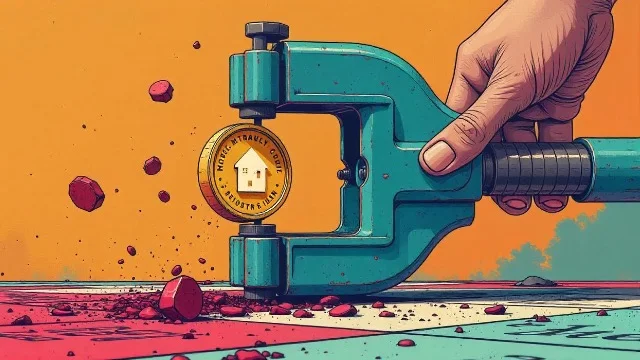
- The ever increasing tax burden has become a heated issue in New Zealand. At the 2005 election, over-taxation was hotly debated with the government arguing that high taxation is a myth despite clear indications to the contrary.
- New Zealand’s taxation burden is high by world standards. It is higher than Australia and the dynamic economies of Asia and America, and only slightly lower than the stagnant European economies.
- Anyone earning under $180,000 is likely to pay more personal income tax in New Zealand than in Australia.
- While our top tax rate (39%) is one of the lowest in the world, its application is one of the most inequitable. New Zealanders pay the top rate at 1.4 times the average wage compared to the weighted average for OECD countries of 5.6. This affects professionals such as teachers, nurses and police and, ironically, some families that also qualify for government assistance.
- In nominal terms, New Zealanders pay 50% more tax than they did in 2000. The government’s tax revenue has increased at twice the rate of inflation and well ahead of all predictions.
- The government is taking far more revenue than it needs. We have record budget surpluses which present a once-in-a-generation chance to cut taxes significantly without even touching spending.
- By changing accounting methods, the government has been able to argue that the cash surplus (as opposed to the operating surplus) is, in fact, relatively minor and will go into deficit in coming years. While this is fiscally conservative and a commendable way to manage the accounts, it also indicates the very strong condition of the nation’s economy. In such a healthy environment it defies comprehension that tax relief is not on the government’s agenda.
- Much of the increase in revenue has gone unnoticed because of ‘bracket creep’. Our tax thresholds haven’t changed in ten years, but the average worker is earning more and therefore paying tax at a higher rate.
- As a first step our income tax thresholds should be indexed to inflation, as is done for welfare benefits. Otherwise the government is increasing taxation by stealth.
Phil Rennie is a Policy Analyst with the New Zealand Unit of The Centre for Independent Studies.
Australia has a mental health crisis, but not the one we think. Despite decades of...