
Taxis work well during off-peak periods on weekdays when it is not raining. In peak periods, particularly at airports or as crowds come out of sports venues or the Sydney Opera House, waits of an hour or more are common. The value of taxi licence plates in most States and Territories exceeds $200,000. In NSW, it was $260,000 in 1998. Fares are on the high side. Taxi owners are the beneficiaries. Low-income customers are the main losers, paying a disproportionately high ratio of their income in fares.
Without drastic improvements, taxi services will not be able to service the Olympic Games. Long queues and disgruntled tourists will be very embarrassing for Sydney and Australia. Policy changes are needed now to improve taxi services by the year 2000.
The best policy would be to let the market determine the number of taxis in operation, subject only to government certification of driving ability, knowledge of services required and character references for drivers, and safety checks for cars. Registration and fare structure would have to be clearly displayed on the outside of
a taxi. This would lead to an expansion of the types of taxis on offer, from luxury limousines to small vehicles. Fares would be determined by the demand for services and supply. Customers could then continue to use up-market taxis if they wished, or opt for a cheaper taxi service. Short term increases in the number of taxis for special events like the Olympics could be accommodated.
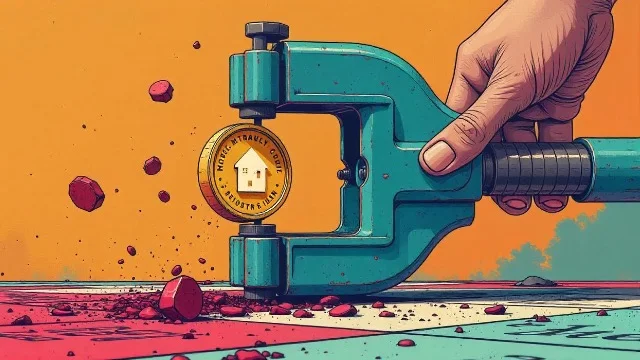
The principal cost of complete deregulation would be loss of the value of existing licence plates. To forestall serious opposition, taxi owners would require some compensation. However, the total value of licence plates in NSW is currently almost $1.5 billion.
Partial deregulation would not deliver the same range of benefits but it could increase the number of taxis, expand the types of services available, put a downward pressure on fares and an upward pressure on the quality of service. This could be facilitated by certifying a parallel system of ‘mini-cabs’ to compete alongside the taxi market. These mini-cabs would operate through phone bookings, as is done, for example, in the United Kingdom. The number of registered minicabs could be increased gradually to avoid compensation costs for existing licence plates, but there could be a special allocation for the Olympic Games.
Australia has a mental health crisis, but not the one we think. Despite decades of...