
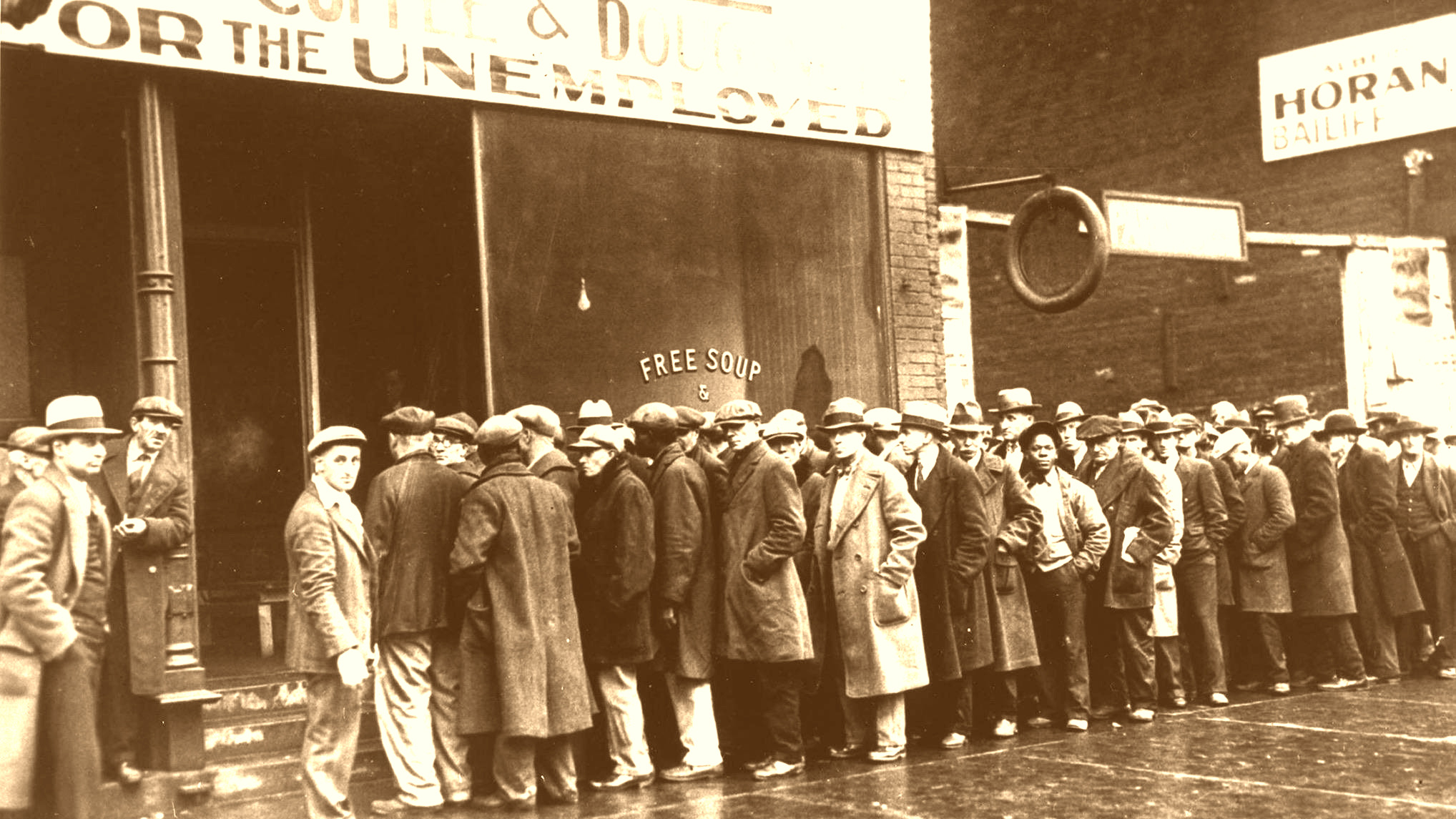
Recent attempts to reform welfare have focused on the wrong elements of the system. In some cases, advocating tightening eligibility for unemployment benefits and single mother payments while simultaneously increasing the scope and cost of family benefits and pension payments.
Blaming ‘dole bludgers’ will never result in sustainable welfare reform. The only realistic method of reducing the size of the welfare state is to refocus the existing payment system on need.
This means abandoning forever the distinction between deserving and undeserving welfare recipients. It has proved impossible to constrain the welfare state by limiting growth of payments to the so-called undeserving, as growth in payments to the ‘deserving’ has overwhelmed any savings found.
The safety net should be robust but only available for those who are in genuine need. Government welfare should not be a vehicle for redistributing income in order to create a utopian, ‘equal’ society, or to cushion the vicissitudes of life.
This approach means payments like family tax benefits, the age pension, childcare benefits, paid parental leave, and potentially others should be substantially tightened.
The overall effect of this redesign is that the system should cost less, but provide greater assistance to those who really need it.

Australia has a mental health crisis, but not the one we think. Despite decades of...